Textile Product Testing

Textile Product Testing

We provide reliable and accurate testing services that comply with international standards to a diverse range of industries

Microbiological Testing Facility For Textile

Microbial biotechnology is one of the branches of applied science with diverse applications. The need to safeguard fabrics against microbial attack particularly in industrial usage has long been recognised. Since, each and every entity in this world is prone to attack by microorganisms at some point; textile is no exception to it. Microorganisms are present everywhere in soil, water and air and they need nutrition for the growth. Depending on the substrate available for growth of microorganisms, the durability and aesthetic value of material varies.
The microorganisms play a vital role in deterioration of any material, which is susceptible to attack. The routinely used textile material or which is coming in contact with the body is more prone to attack by microorganisms. This is because during perspiration or when in contact with the body the organisms present on the body gets transferred on to cloth or related material. If such textile material is non-resistant to attack by microorganisms, then it can lead to deterioration and hence change in the physical properties. Such material is not only of poor quality but also can cause some skin irritation or allergies.
Hence, it is utmost important to incorporate some form of antimicrobial agent in the textile material to get good quality, longer durability and better aesthetic value. Many textile manufacturers and research laboratories are currently engaged in developing various anti-bacterial and anti-fungal finishes for textile products. The textile finish needs to have properties such as skin friendly and resistant to washing, for its effective usage along with its antibacterial or antifungal effect.

Rapid Microbiology Testing Laboratory (RMTL)

Microbiology / Biotechnology laboratory is well equipped with modern instruments and the entire basic infrastructure that are needed to carry out routine microbiological work.
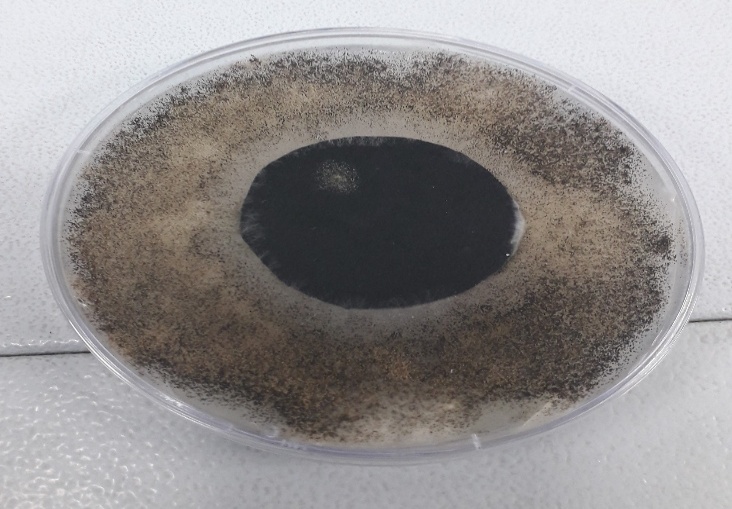
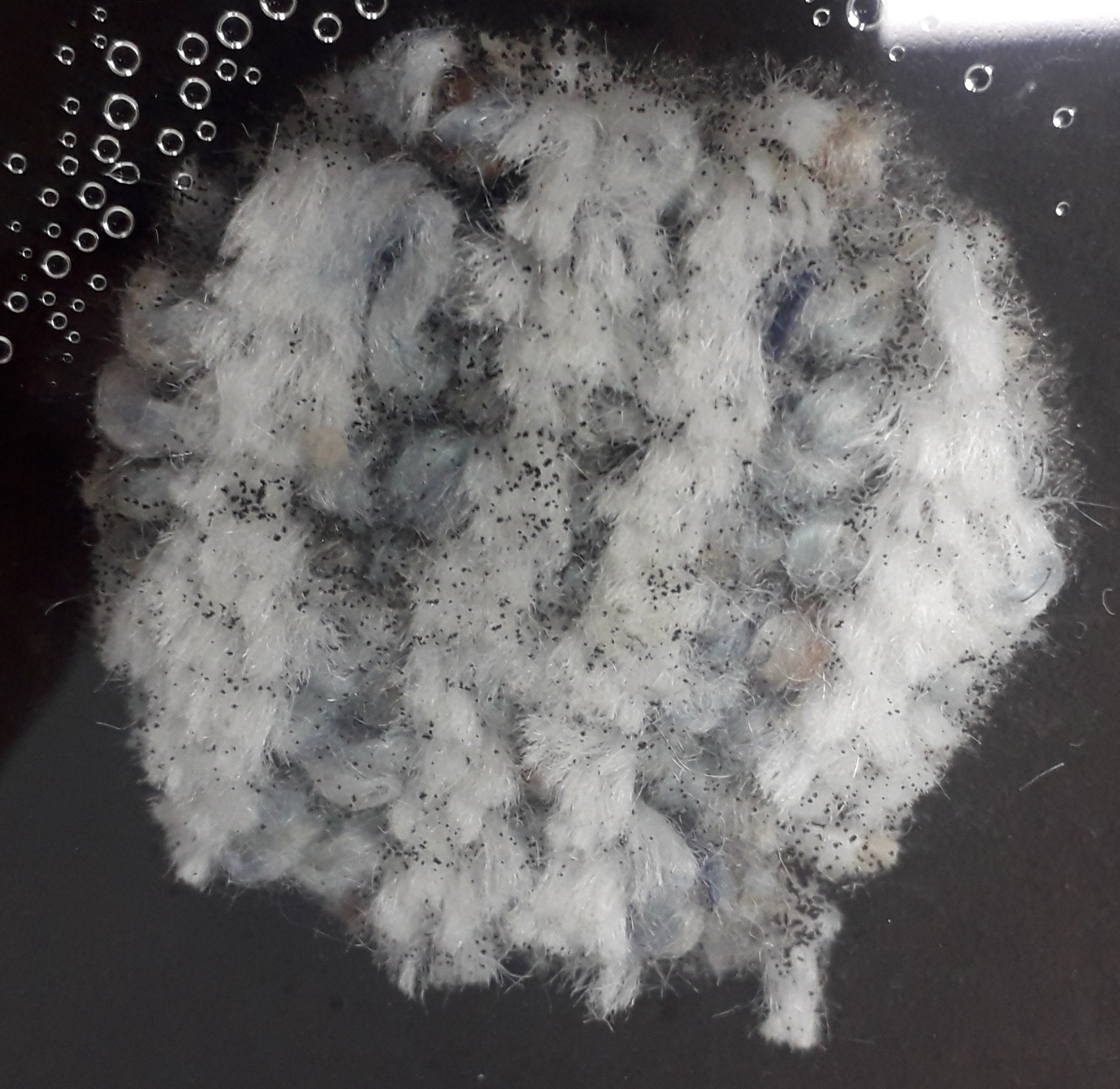
The department caters to the testing requirement of many national and international parties for assessment of textile materials using latest AATCC, ASTM and IS standards for home textiles and other related textile products. It also carries out antifungal activity assessment of textile materials, specially carpets, floor coverings and packaging materials. The department also deals with testing of efficacy of antimicrobial finishing applied on high performance textiles directly and after repeated laundry washes. Bioburden test on export quality fabrics is also carried out.
Besides testing activities, it involves spreading awareness among the young and aspirant Microbiologists about textile microbiology and related research through its workshops and training programmes.

(RMTL) MICROBIOLOGY TEST SERVICES

LIST OF TESTS CARRIED OUT AT RAPID MICROBIOLOGY TESTING LABORATORY (RMTL)MICROBIOLOGY TEST SERVICES

Customer Testimonials

Textile Product Testing FAQ

Most frequent questions and answers

We have textile sample; which test method applicable for antifungal activity test for US market export?

AATCC 30 Part III test method suitable for textile material antifungal activity test.

ISO 20743: 2021 Textiles — Determination of antibacterial activity of textile products.

AATCC TM 100:2019
Yes, AATCC 147 is a parallel streak method to demonstrate bacteriostatic activity of fabrics by diffusion phenomenon. AATCC 147 is a qualitative method given results within 24hours.

Bacteria are differentiated as Gram-positive bacteria or Gram-negative bacteria based on gram staining due to differences in complexity of cell wall. E.g., Staphylococcus aureus is Gram positive bacteria and Escherichia coli / Klebsiella pneumoniae are Gram negative bacteria.

Yes, we have dust mite test feasibility as per ISO 21326.

Yes, we have virus testing feasibility.

ASTM G 29 test method applicable for antialgae test.

Susceptibility of Fabrics to mildew and rot is evaluated by AATCC 30 test method.

Yes, we have test feasibility for new carpet antibacterial activity test as per AATCC TM 174 method.

JISZ 2801 / ISO 22196, 50mm x 50mm size not more than 10 mm thickness, 06 test specimen and 06 control test specimen required.