Food Testing
Microbiological Analysis of Food Products
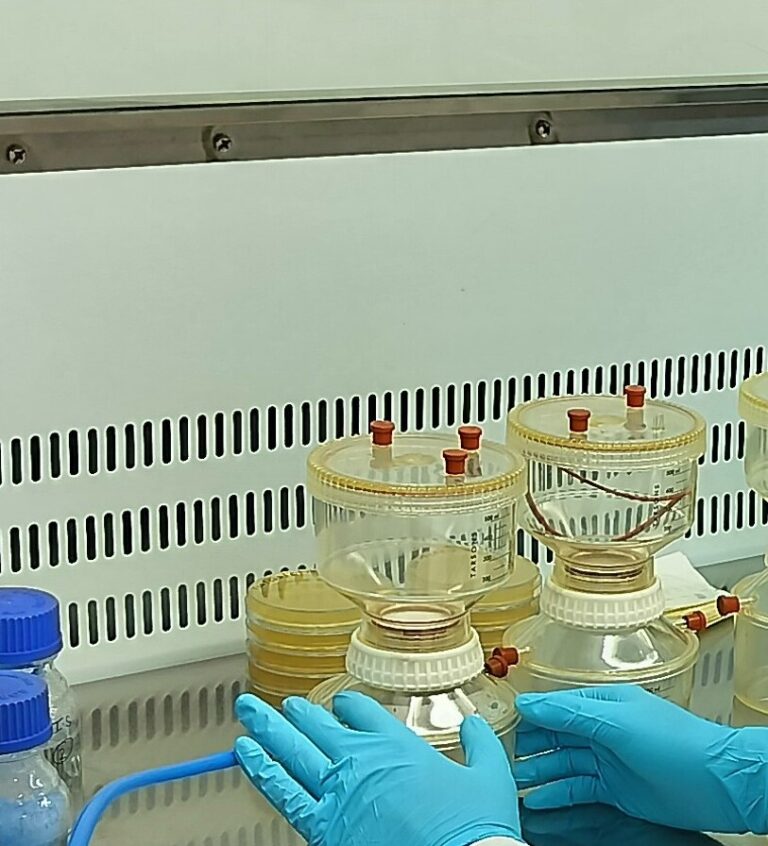
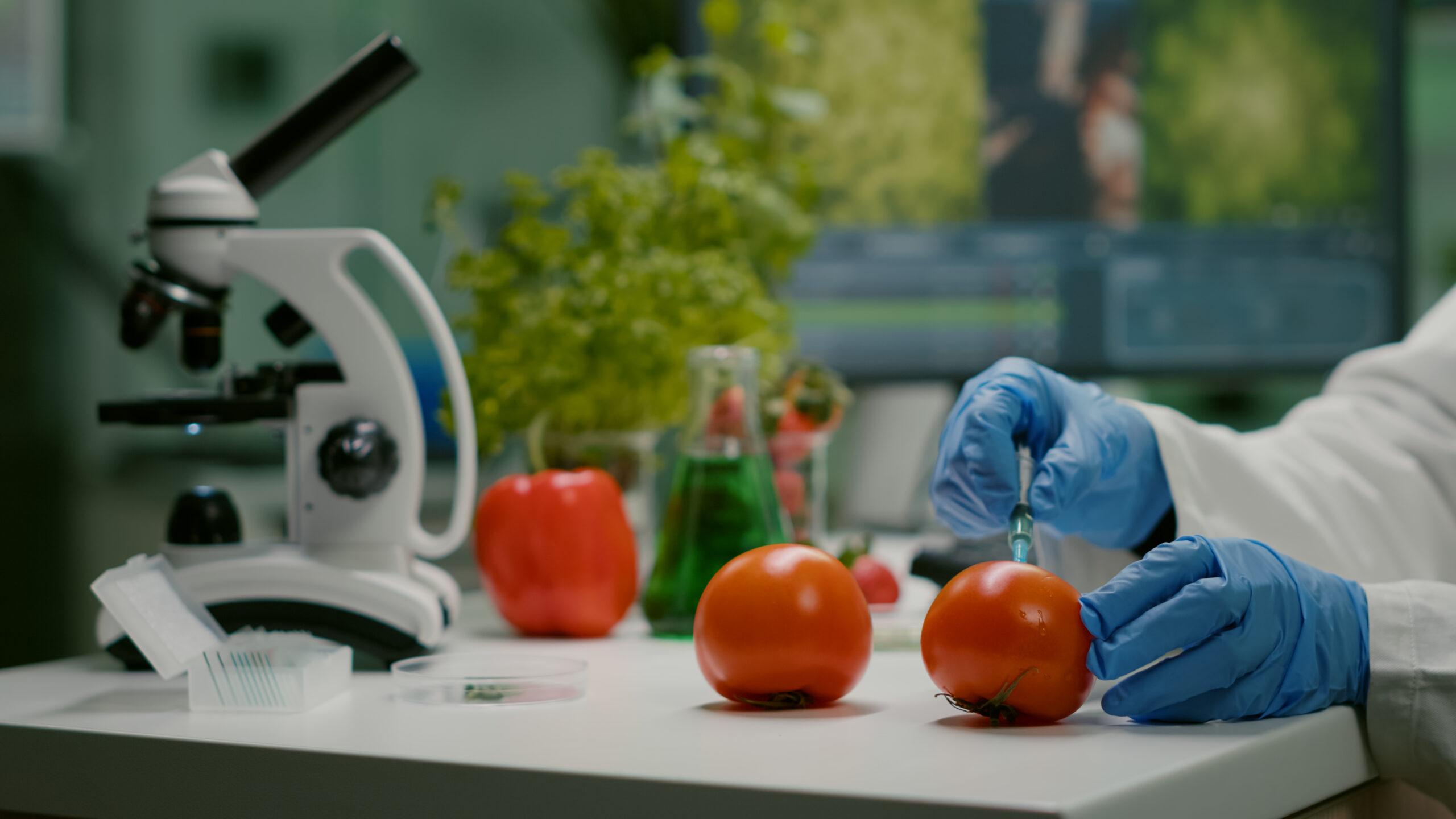
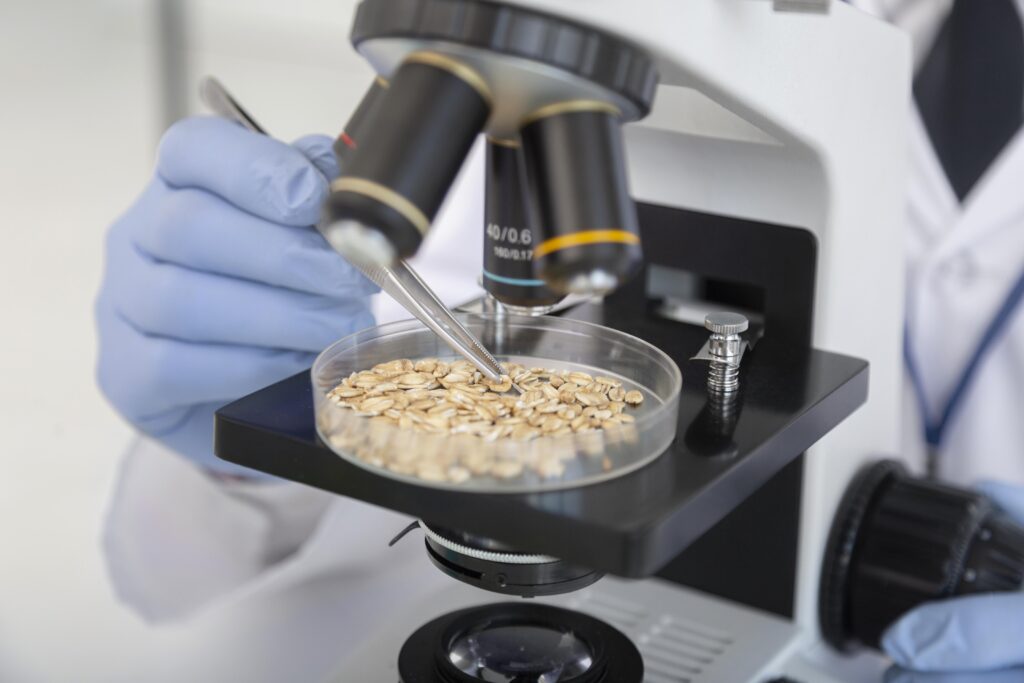
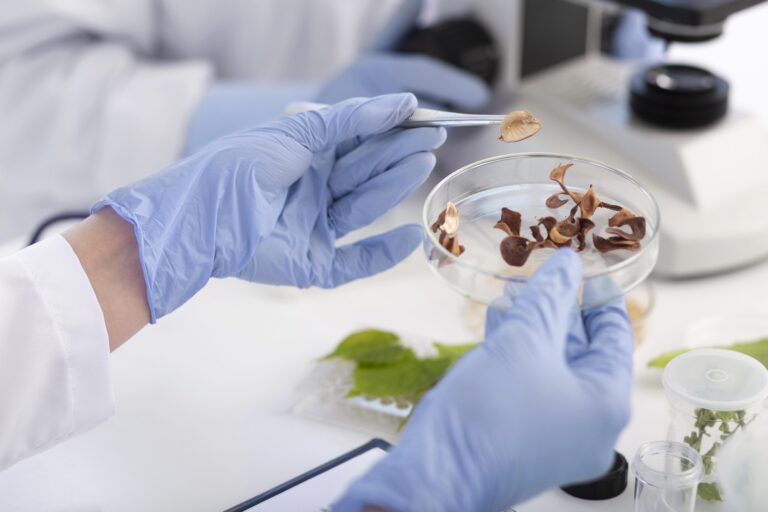
Microbiological analysis is performed to analyze the quality of products with respect to their microbiological aspects. Microorganisms can come into the product through air, water, raw material, packaging material and many other sources that can deteriorate the product. Microorganisms are the main cause of disease and decaying food products. Microorganisms may also cause the deterioration of plastics, polymers and stones. Microorganisms may be pathogenic (disease causing) and non-pathogenic (non-disease causing) depending upon their mode of action. Microbiological analysis carried out to enumerate the number of microorganisms present in the product quantitatively and qualitatively. The category of food and their products are analyzed as follows:
Major Test
- Total bacterial count
- Coliform count
- Yeast & Mould count
- Enterobacteriaceae
- E. coli
- Staphylococcus aureus
- Faecal streptococci
- Salmonella
- Clostridium perfringens
- Vibrio cholerae
- Vibrio parahaemolyticus
- Shigella
- Listeria monocytogenes
- Bacillus cereus
Proprietary Foods
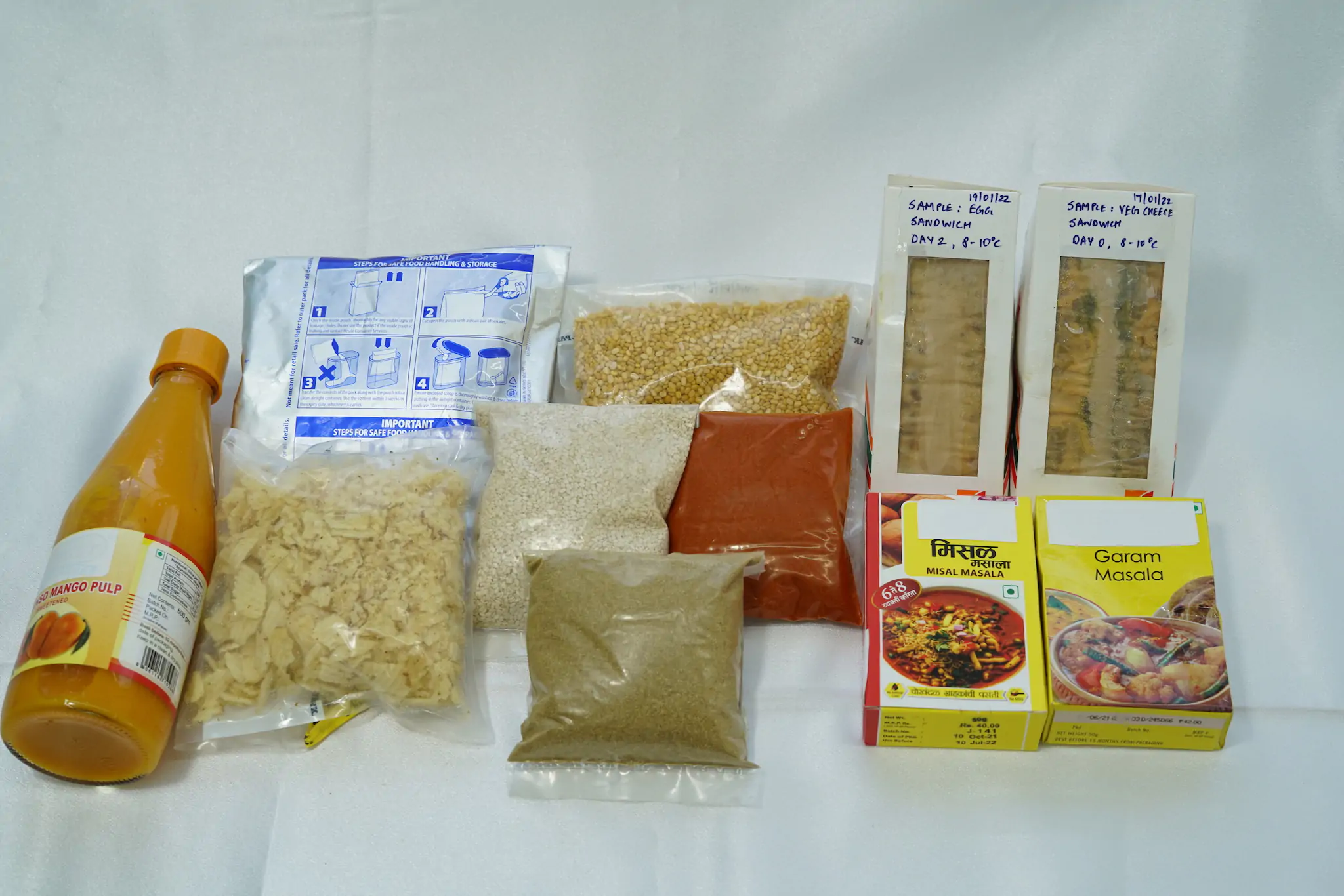
Bread crumbs, Chatni,Batter, Batter mixs, mixed masala, Seasoning, Myonese, Bread spreads, Cornflaks, Poha, Soyamilk, Frappease, Wheat porridge, Choco filling, Custurd filing) Crackles, Ice-cream Pre-mix, Khichadi Mix, Oregano, Peri-Peri, Chilli-flakes, Pasta-mix, Pizza-toppings, Pasta-pizza sauce, Thousand island, Lemonade masala, Peruvian Seasoning, Cheesy-Dip, Corn crumbs, Chocolate Flavour Powder, Gourmet cocoa mix, Breader, Cheese sauce, High Protein flour, Chilli Minced, Premix powder, Hickory BBQ Sauce, Carrot powder, Paprika ground, Predust, Wheat flour, Lava Sauce, Milk Wash Chicken Fries, Bakable Crumb, Proteiz.

Major Test
- Total bacterial count
- Coliform count
- Yeast & Mould count
- Enterobacteriaceae
- Staphylococcus aureus
- Faecal streptococci
- Salmonella
- Sulphite reducing clostridium (Clostridium perfringens)
- Vibrio cholerae
- Vibrio parahaemolyticus
- Shigella
- Listeria monocytogenes
- Bacillus cereus
Nutraceuticals & Functional Foods
- Soy Proteins, Nutrimix, Whey protein, Vitamin Premix, Health Suplement
Major Test Requirement
- Total bacterial count
- Coliform count
- Yeast & Mould count
- E. coli
- Staphylococcus aureus
- Faecal streptococci
- Salmonella
- Sulphite reducing clostridium (Clostridium perfringens)
- Vibrio cholerae
- Vibrio parahaemolyticus
- Shigella
- Listeria monocytogenes
- Bacillus cereus
Cooked Food (Veg and Non Veg) Major Test
- Total bacterial count
- Coliform count
- Yeast & Mould count
- Enterobacteriaceae
- E. coli
- Staphylococcus aureus
- Faecal streptococci
- Salmonella
- Sulphite reducing clostridium (Clostridium perfringens)
- Vibrio cholerae
- Vibrio parahaemolyticus
- Shigella
- Listeria monocytogenes
- Bacillus cereus
- Clostridium botulinum
- Campylobacter
- Cronobacter
Food Testing Services
We provide reliable and accurate testing services that comply with international standards to a diverse range of industries
our success ingredients
Customer Obsession, Clear Vision and Adaptability
Bacteria/Virus
Tests Completed
Research Work
Delighted Customer
Customer Testimonials
Excellent experience
Very good microbe testing laboratory.Quick resolve technical queries with soft communication.
SK
Highly recommend
We submitted many sample for Antialge activity test, all results found satisfactory. We are happy with your services.
HM
Fantastic Service
Rapid Microbial Testing Laboratory is doing a very good job & we are extremely happy with the services.
Rohan
Excellent experience
Thank you for your continuoued support. We look forward to working with you for many years to come.
Jasmine
Food Testing FAQ
Most frequent questions and answers
What is the difference between JISL 1902 and ISO 20743?
Both the methods are comparable with difference in expression of results.
Which antimicrobial method is applicable for pen sample?
Masterbatch samples of pen measuring 5cm x 5cm are ideal to test antibacterial activity by JISZ 2801 / ISO 22196. In the absence of requisite sample ASTM E 2149 method can be used.
What is the difference between antibacterial and antimicrobial?
Antibacterial means preventing the growth of bacteria or to kill bacteria. Antimicrobial is a broad term and includes bacteria, fungus and viruses. Very often antimicrobial is used to indicate antibacterial property.
Which washing method should be used for antibacterial finishes?
Antimicrobial treated fabrics should be washed using ASTM E 3162 protocol using AATCC detergent without optical brightener, followed by rinse and air dry. This method ensures that covalently linked antimicrobial agent retains its functionality after 30-50 washes.
What is the relationship between AATCC 147 and AATCC 100?
AATCC 147 is a parallel streak method to demonstrate bacteriostatic activity of fabrics by diffusion phenomenon. AATCC 147 is a qualitative method whereas AATCC 100 is a quantitative method for evaluation of degree of antimicrobial activity.
What are Gram-positive and Gram-negative bacteria?
Bacteria are differentiated as Gram-positive bacteria or Gram-negative bacteria based on gram staining due to differences in complexity of cell wall. E.g., Staphylococcus aureus is Gram positive bacteria and Escherichia coli / Klebsiella pneumoniae are Gram negative bacteria.
Do you carry out virus testing?
Yes, we carry out virus testing of porous surfaces such as Fabrics, Yarns, etc. Also, non-porous surfaces such as plastics, paints, metals, polymers, leather, etc.
What is the difference between enveloped and non-enveloped virus?
Viruses that have an outer wrapping are enveloped viruses. It protects the virus. It is made of phospholipids, proteins and glycoproteins. Viruses lacking the envelope are called non-enveloped virus.
What is the shape and structure of a virus?
Many viruses have an icosahedral or diamond shaped morphology. Some viruses are helical or oblong and some have unique morphology like Bricks, Bullet shaped, etc.
How do you check antifungal activity of Fabric?
Susceptibility of Fabrics to mildew and rot is evaluated by AATCC 30 test method.
We have Tarpaulin sample; how will you assess its antifungal property?
For tarpaulin or water proofed textile materials intended for outdoor and above ground use, its antifungal property or effectiveness of treatment is assessed by AATCC 30 Part IV humidity jar method.