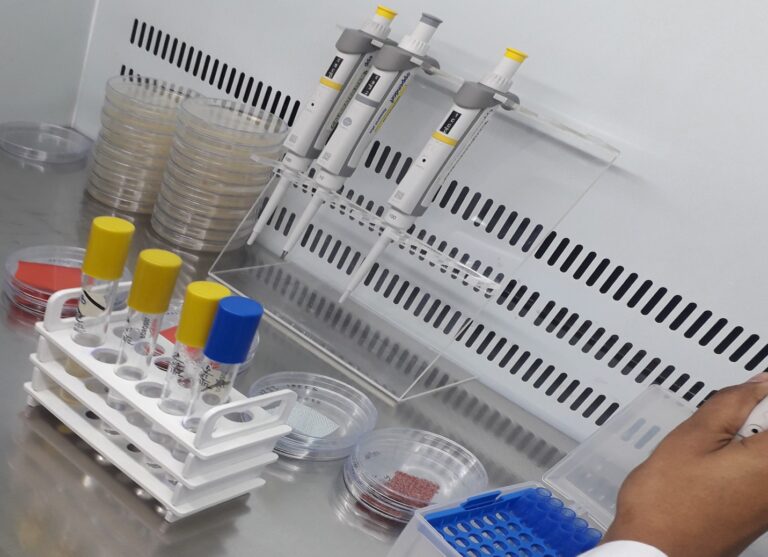
Plastic Product Testing

Antiviral Test

ISO 21702: Unlocking the Antiviral Potential of Plastics and Non-Porous Surfaces

Antibacterial Test

ASTM E 2180: Assessing the Effectiveness of Antimicrobial Agents in Polymer and Hydrophobic Materials
JIS Z 2801: Revealing the Antibacterial Product’s Efficacy
ISO 22196: Unveiling the Effectiveness of Antibacterial Treatment on Non-Porous Surfaces
IS 1389: Antibacterial and antifungal activity test for polymers and cotton fabrics
ISO 846: Plastics — Evaluation of the action of microorganisms

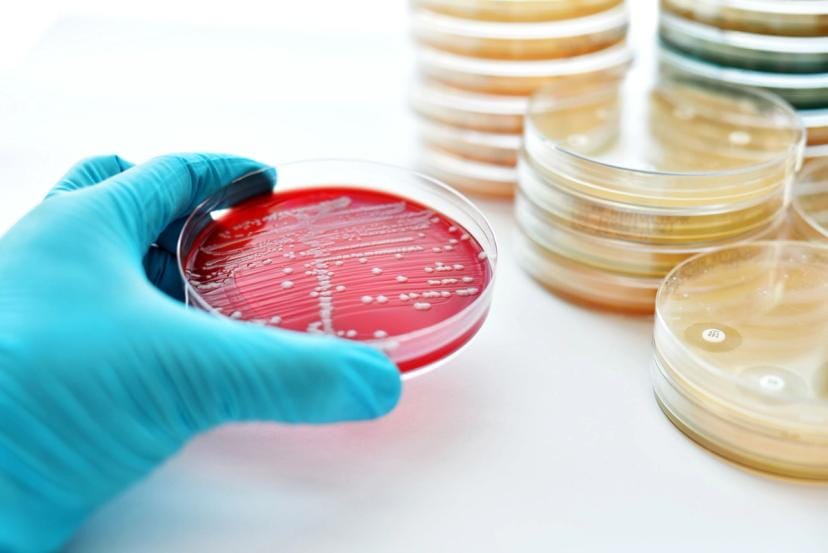
Antifungal Testing:

ASTM G21: Assessing Antifungal Resistance in Synthetic Polymeric Materials

Antialgal Testing:

ASTM G29: Evaluating Algal Resistance in Plastic Films
ASTM D 4576 Mould growth Resistance of Wet Blue Leather

Customer Testimonials

Plastic Product Testing FAQ

Most frequent questions and answers

What is the difference between JISL 1902 and ISO 20743?

Both the methods are comparable with difference in expression of results.

Masterbatch samples of pen measuring 5cm x 5cm are ideal to test antibacterial activity by JISZ 2801 / ISO 22196. In the absence of requisite sample ASTM E 2149 method can be used.

Antibacterial means preventing the growth of bacteria or to kill bacteria. Antimicrobial is a broad term and includes bacteria, fungus and viruses. Very often antimicrobial is used to indicate antibacterial property.

Antimicrobial treated fabrics should be washed using ASTM E 3162 protocol using AATCC detergent without optical brightener, followed by rinse and air dry. This method ensures that covalently linked antimicrobial agent retains its functionality after 30-50 washes.

AATCC 147 is a parallel streak method to demonstrate bacteriostatic activity of fabrics by diffusion phenomenon. AATCC 147 is a qualitative method whereas AATCC 100 is a quantitative method for evaluation of degree of antimicrobial activity.

Bacteria are differentiated as Gram-positive bacteria or Gram-negative bacteria based on gram staining due to differences in complexity of cell wall. E.g., Staphylococcus aureus is Gram positive bacteria and Escherichia coli / Klebsiella pneumoniae are Gram negative bacteria.

Yes, we carry out virus testing of porous surfaces such as Fabrics, Yarns, etc. Also, non-porous surfaces such as plastics, paints, metals, polymers, leather, etc.

Viruses that have an outer wrapping are enveloped viruses. It protects the virus. It is made of phospholipids, proteins and glycoproteins. Viruses lacking the envelope are called non-enveloped virus.

Many viruses have an icosahedral or diamond shaped morphology. Some viruses are helical or oblong and some have unique morphology like Bricks, Bullet shaped, etc.

Susceptibility of Fabrics to mildew and rot is evaluated by AATCC 30 test method.

For tarpaulin or water proofed textile materials intended for outdoor and above ground use, its antifungal property or effectiveness of treatment is assessed by AATCC 30 Part IV humidity jar method.